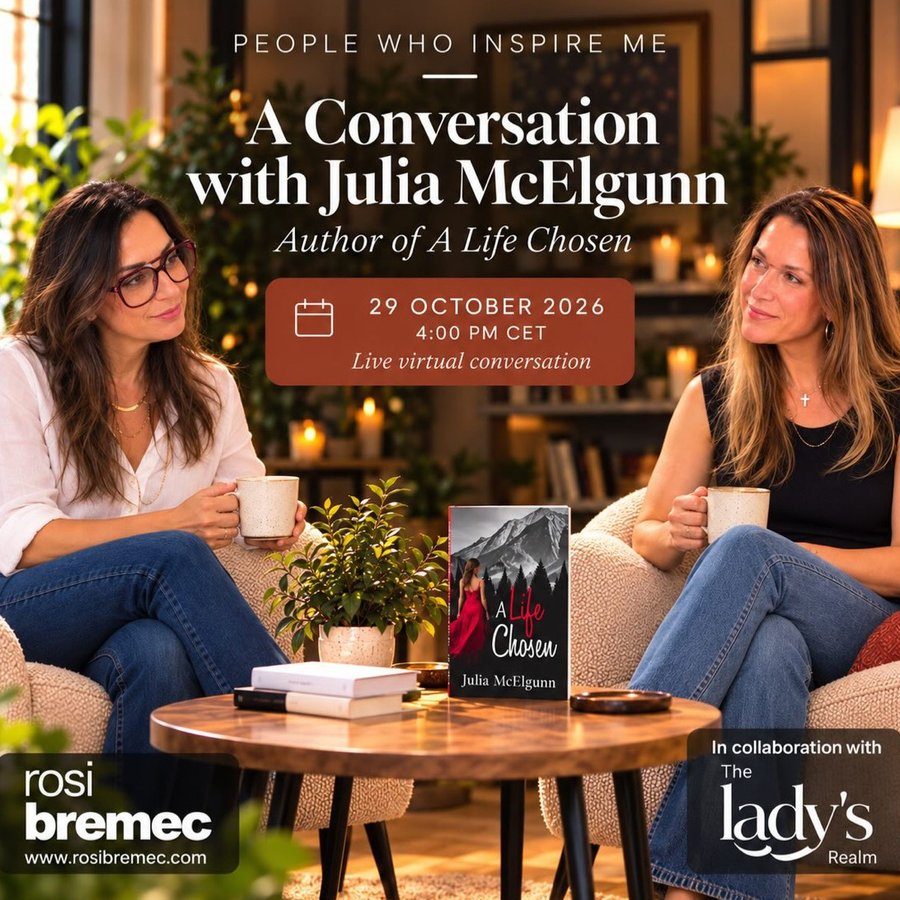
The takeaways and lessons from my conversation with Julia McElgunn, for everyone who joined us and anyone who couldn't make it.
Thursday 29 October 2026 · 4:00 PM CET · Live on Zoom
A little context
A launch day, shared over Zoom.
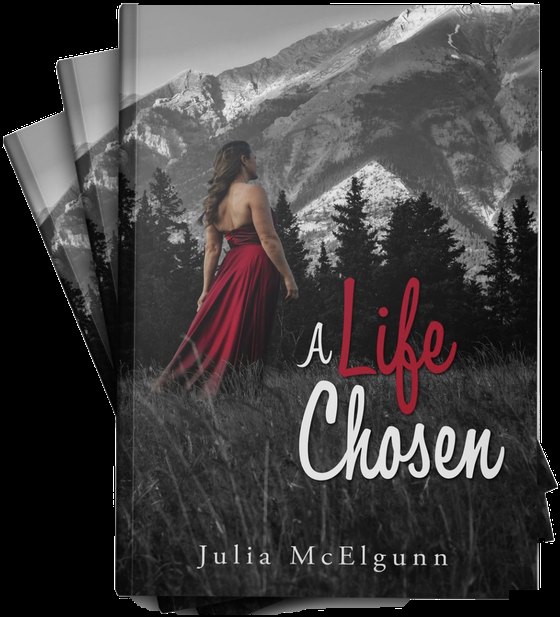
On Thursday 29 October I hosted a live conversation with Julia McElgunn, a woman who has inspired me, on the very day her book, A Life Chosen, was launched.
I didn't record it, so everyone could feel at ease, which is why I wanted to share a little recap of what we talked about.
20
Years in the oil and gas industry
5
Words that became a book
10
Lessons we took away
Why I do these conversations
Because I want to introduce you to the people who light me up.
I keep crossing paths with people who light me up, and every time it happens, I just want to introduce them to everyone I know.
Over the past months I've shared the honest reality of navigating my next chapter on LinkedIn, and your responses showed me how many of us are craving real conversation over polished performance. Along the way, that openness has connected me with some truly incredible women, so I wanted to find a way to bring them to you. That's how these live conversations with women who have genuinely inspired me began.
Julia was the perfect first guest. She's a hockey mom from Canada, a geologist with a business degree, a podcaster, and now an author. I got a sneak peek of her book and found myself nodding along the entire time. She isn't writing from a pedestal, which is why her story is so relatable.
She didn't wait for an audience, either. She started the Choose Life Boldly podcast, wrote her book, and backed herself before anyone told her she was ready.
What stayed with me
Julia left a secure job with nothing lined up, and wrote a book on potential, power, courage, boldness and grace. The one she says matters most is the quiet one, because grace holds the rest up.
Her story
From a job everyone wanted to a life she chose.
The decision
Last summer, on a couple of weeks off, Julia told her husband over coffee that she thought she needed to quit. After twenty-plus years of doing all the right things and not moving where she wanted to go, she told us she was finally honest with herself: she no longer wanted to go in.
The guilt
She told us she felt ungrateful for being unhappy in a job that plenty of people in Calgary, in a hard economic time, would have been glad to have.
The leap
She came back from that break with her resignation letter ready. She resigned in September with nothing lined up, and started writing her book in December.
The year alone
Julia started her own company and spent a year mapping at home. It showed her how lonely working alone can be, and how much she loves being part of a team.
The book
A podcast she heard while driving planted the seed. Then five words arrived on the way to her daughter's hockey practice: potential, power, courage, boldness and grace.
Now
A startup that put personality fit first, and treats everyone as a valued contributor, asked her to join. She is building a company with them.
From the conversation
The questions we asked Julia.
Each answer in a line, with the full story one tap away.
Question 1
After years in a full-time job, what happened to make you leave?
She told her husband over coffee that she needed to quit, and handed in a resignation letter with no plan.
+Read moreClose
Last summer, on a couple of weeks off, Julia told her husband over coffee that she thought she needed to quit. After more than twenty years of doing the right things and not moving where she wanted to go, she was honest with herself: she no longer wanted to go to work.
She felt guilty about it, because many people in Calgary, in a hard economic time, would have been glad to have her job. She went back with her resignation letter already written, resigned in September with nothing lined up, and started writing her book in December.
Question 2
Have you always wanted to write a book, and how did this one come to you?
The book began with a podcast heard in the car, and the five words arrived on the way to hockey practice.
+Read moreClose
She had once started a different book, on leadership and pipelines in oil and gas, and said she is glad she never finished it. This one began with a podcast she heard while driving, about a woman who started a publishing house.
The five words then arrived while she was driving her daughter to hockey practice. She does most of her creative thinking behind the wheel, when her mind slows down enough to let the ideas through.
Question 3
What does a geologist actually do, and what is the company you are building?
A geologist reads the earth from sparse data, and Julia found her joy in doing it with a team.
+Read moreClose
Julia studies the subsurface, using data from drilled wells to interpret what lies beneath and to find oil and gas pools. It is slow work with gaps in the data, so there is always some risk.
After leaving, she started her own company and spent a year mapping at home. A startup then asked her to join, and what they cared about most was personality fit. The year alone taught her that her real joy comes from working with a team, succeeding and failing together.
Question 4
What did you learn about grace, in work and in life?
Grace, the quiet word, turned out to be the one that holds the other four up.
+Read moreClose
Julia couldn't see at first how grace fit beside such strong words as power, courage and boldness. Then she saw it is what sustains them. Without grace for yourself, and without noticing how much energy you have left, you burn out, and everything else crumbles.
In the book, grace belongs to the nurturer, the glue who looks after everyone. The shadow side is over-giving, and the trouble starts when caring for others becomes how you feel worthy.
Question 5
You made a conscious decision to change. Were you aware of the story you were telling yourself to stay?
It wasn't tidy: the conscious decision is the bow tied around the messy middle.
+Read moreClose
Julia said her decision came after years of roadblocks and disappointments, and plenty of hard moments in private. About fifteen years ago she decided she wanted an extraordinary life, with no idea what that looked like.
She also said that owning how you feel, rather than blaming something outside yourself, takes real courage.
Question 6
Is there a methodology, psychological or spiritual, behind the wisdom in your writing?
We are more than physical and mental, and we don't have to carry everything alone.
+Read moreClose
Julia sees people as physical, emotional, spiritual and energetic, all at once. She grew up loosely Catholic, moved away from religion, and has come back to a sense of something bigger than ourselves.
She teaches her children about God, the Divine, or the Universe so they would learn that their gifts are not about ego. On the opposite side, her view is that handing heavy burdens to something beyond yourself, whatever you call it, takes the pressure off.
Question 7
What does it mean to choose your life?
Writing the book was the step that made her choose, and now she chooses every step.
+Read moreClose
For Julia, leaving corporate life was a fork in the road, and the book was both the catalyst and a finale to everything before it.
She said that while she was writing it, around March, she was still living in indecision. Now, on launch day, she feels she is choosing every step.
Question 8
What does launch day look like for a new author?
A red purse, a friend who flew in to be there, and an evening with her favourite people.
+Read moreClose
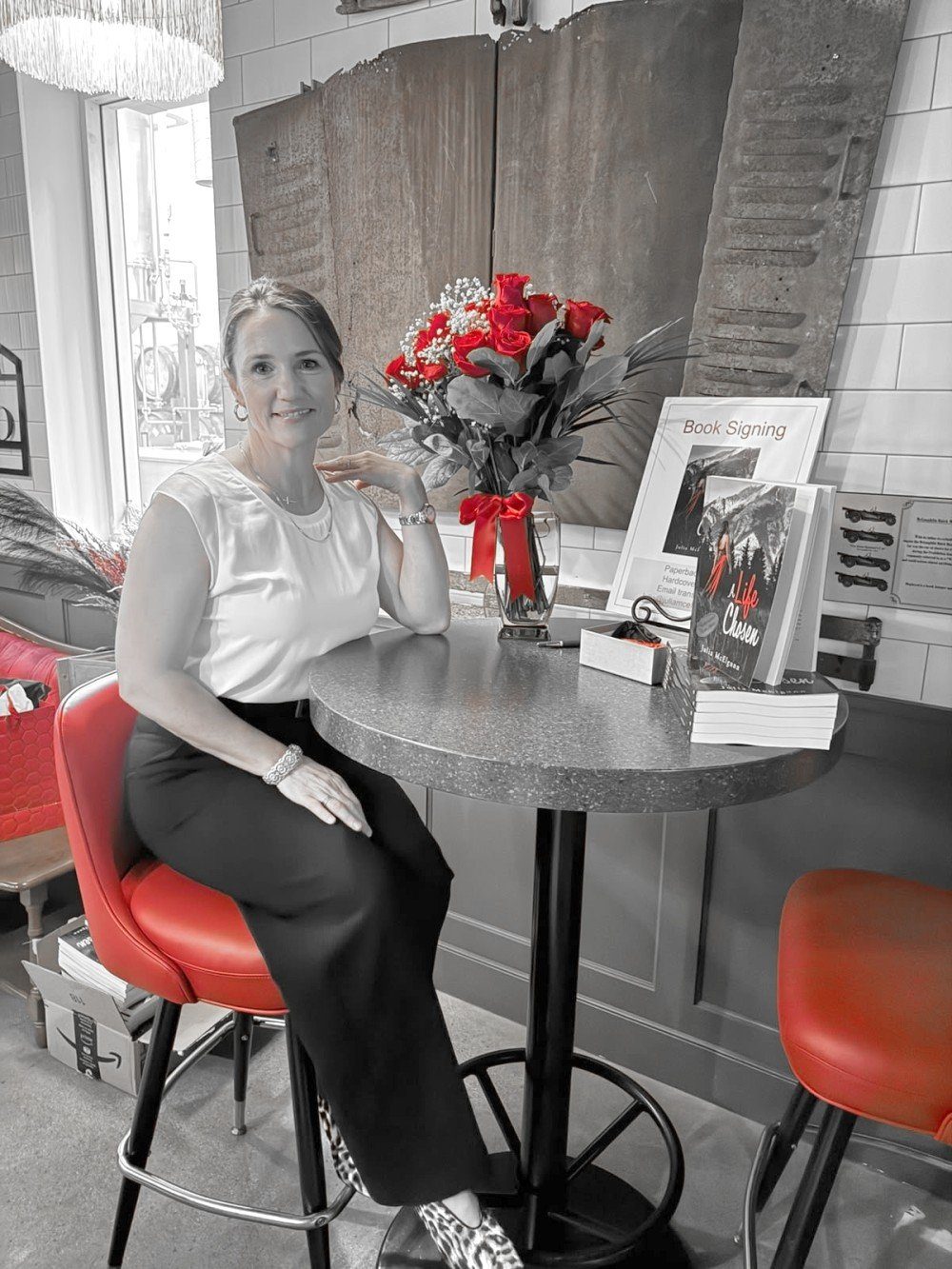
It was her first event of the day. She went hunting for red shoes to match her red cover, couldn't find a single pair, and came home with a different pair and a red purse instead, the first extravagant thing she had bought for herself in a long time. Very on brand for a woman who goes in for one thing and comes out with something better.
A friend from her author immersion weekend flew to Calgary to be with her, and she spent the evening celebrating with her friends and family. She has also launched a podcast, without waiting for an audience.
Lessons
What I took away.
Grace is the foundation
Julia told us she doubted grace at first because it seemed soft next to the other four words. Then she came to see it as the one that sustains everything. Without grace for yourself, and without noticing how much energy you have left, you burn out, and potential, power, courage and boldness crumble.
Over-giving is the shadow of nurturing
In the book, grace belongs to the nurturer, the glue who reads the room and looks after everyone. The risk is carrying on giving when you are empty, because it feels like no one else will. I recognised myself in this one.
Guilt can keep you stuck
Feeling you have no right to be unhappy in a job others would want is common. Being honest with herself about it was where Julia's change began.
A conscious choice is rarely tidy
Hers came after years of roadblocks and disappointments, and many hard moments in private. The neat version, she said, is the messy middle with a bow around it.
We lean hard on security
When Julia resigned with no plan, she saw more fear in her colleagues than she felt herself. Letting go of that security is what let other doors appear.
Loneliness shrinks when it is shared
The shame and isolation of an in-between season ease once you realise others are going through it too. You are not weird or abnormal, and then you can ask what comes next. It's exactly why I wanted to bring everyone together.
Ownership takes courage
Looking inward and asking what you need to change, rather than pointing outward, is hard and worth doing.
Boldness can be quiet
From the book: boldness doesn't have to be disruptive, and doesn't need to explain, justify or convince. It can be confident, grounded and quietly sovereign.
You don't have to carry it all alone
Asked about her spiritual outlook, Julia said handing heavy burdens to something larger than yourself, whatever that means to you, takes the pressure off.
Writing was the catalyst
The book moved Julia from living in indecision to choosing each step. She called it a new chapter, and the finale to everything before it.
What's next
This was only the beginning.
This conversation was so full of golden nuggets that I couldn't bear to leave any of them behind. So Julia is coming back, and next time it will be a recorded session, with room to unpack everything we only had time to touch on. I'll share the details as soon as they're ready.
Rosi
The book
Read the book.
If you'd like to read more of Julia's story, A Life Chosen is out now on Amazon.